
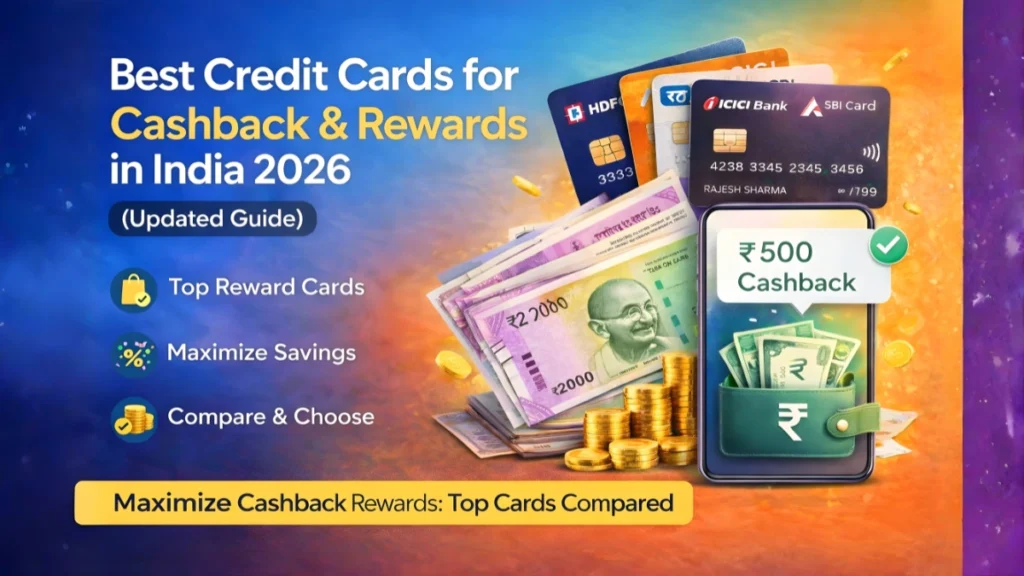
Credit cards in India have evolved significantly, and in 2026 the focus has clearly shifted toward cashback, real savings, and flexible reward systems instead of complicated points programs. Whether you shop online, pay utility bills, travel frequently, or order food regularly, choosing the right credit card can help you save thousands of rupees every year.
Why Cashback Credit Cards Are Popular in 2026
Indian consumers increasingly prefer cashback cards because rewards are simple and instantly useful. Instead of redeeming points later, cashback is directly credited to your statement or wallet balance.
Major banks like HDFC Bank and SBI continue to dominate credit card spending in India, showing strong adoption of reward-based cards among users.
Key Benefits:
- Direct savings on everyday spending
- Easy reward redemption
- Online shopping discounts
- Utility bill cashback
- Travel and dining rewards
Top Cashback & Rewards Credit Cards in India (2026)
Below are the most recommended cards based on cashback value, usability, and popularity.
1. HDFC Millennia Credit Card
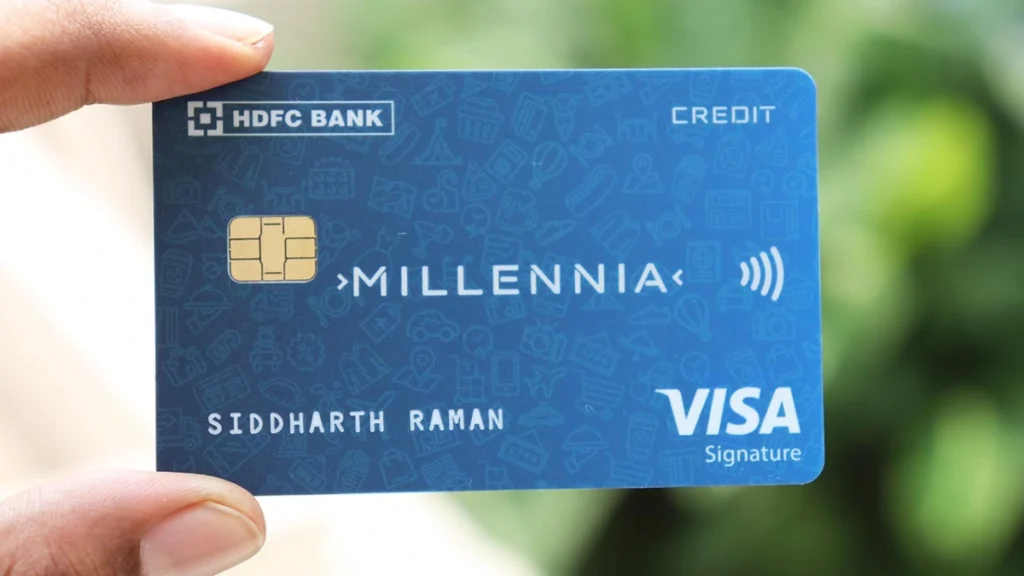
Best for Online Shopping & Beginners
- Cashback: Up to 5% on Amazon, Flipkart, and partner brands
- Annual Fee: ₹1,000 (waived on spending milestone)
- 1% cashback on other spends
This card remains one of the best entry-level cashback cards for online shoppers and young professionals due to strong ecommerce rewards.
Ideal for: Frequent online buyers and digital spenders.
2. SBI Cashback Credit Card
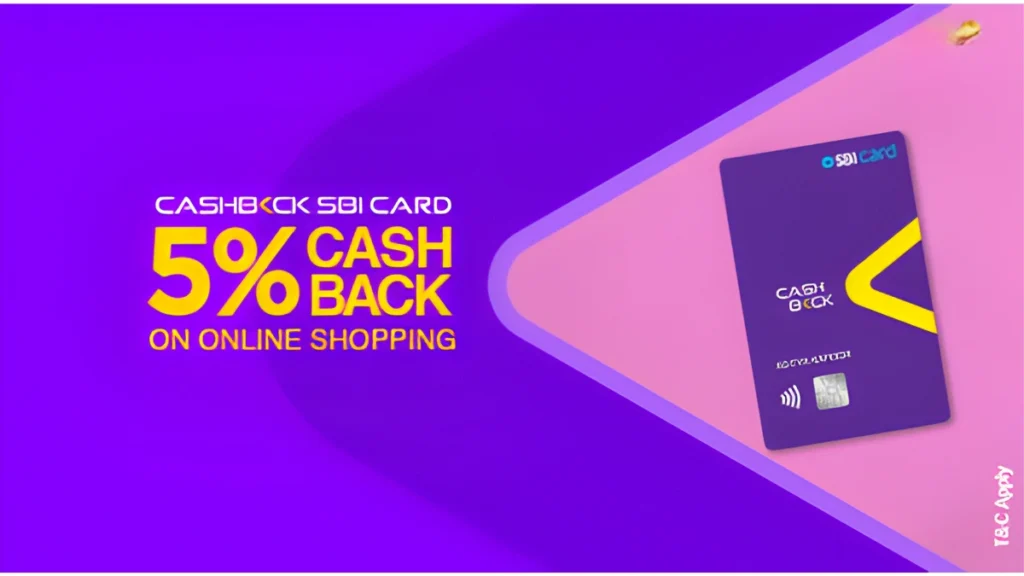
Best Flat Cashback Card
- Cashback: 5% on online spending
- Annual Fee: ₹999
- Simple reward structure
Unlike category-based cards, SBI Cashback offers straightforward savings across most online transactions, making it extremely popular among ecommerce users.
Recent updates introduced new reward redemption rules starting April 2026, so users should review updated limits before applying.
Ideal for: Users who shop online frequently.
3. Amazon Pay ICICI Credit Card
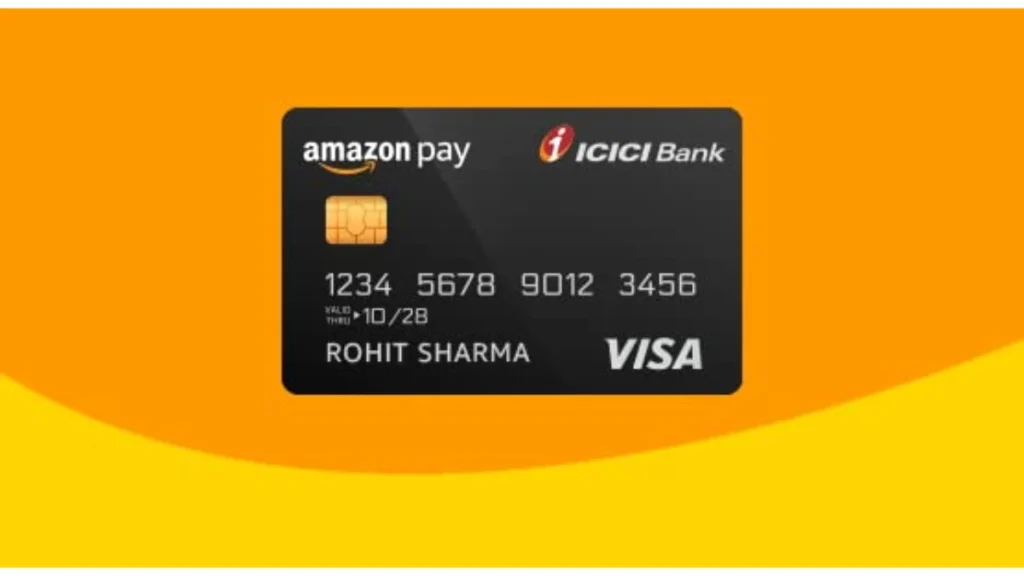
Best Lifetime Free Cashback Card
- Cashback: Up to 5% on Amazon (Prime users)
- Annual Fee: Lifetime free
- 2% cashback on Amazon Pay partners
This is one of the safest and easiest cards to start with because there is no annual fee and cashback is automatically credited to Amazon Pay balance.
Ideal for: Regular Amazon shoppers.
4. Axis Bank Ace Credit Card
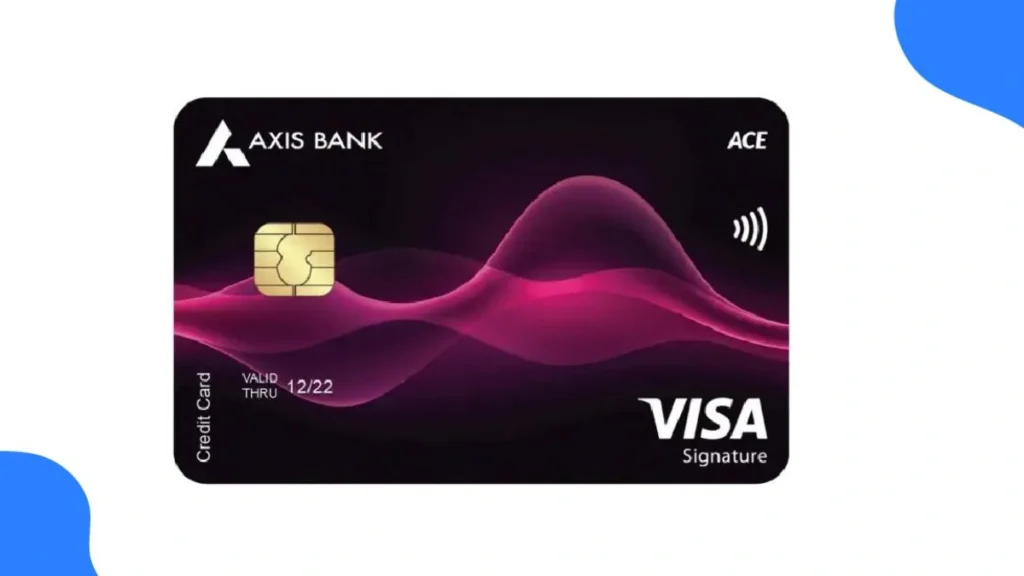
Best for Bill Payments & Daily Expenses
- Cashback: 5% on utility bills via Google Pay
- 4% on food delivery and ride apps
- 2% on other spends
- Annual Fee: ₹499
This card provides excellent value for recurring monthly payments like electricity, mobile recharge, and gas bills.
Ideal for: Everyday spending and bill payments.
5. Flipkart Axis Bank Credit Card
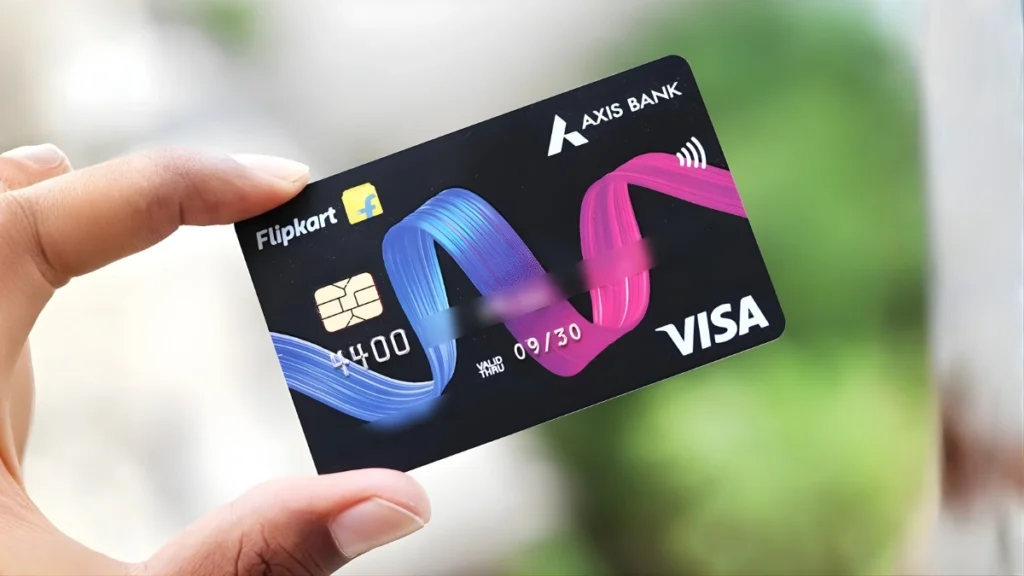
Best for Flipkart & Myntra Users
- Cashback: Up to 7.5% on Myntra
- 5% on Flipkart purchases
- Extra rewards on partner brands
Designed for online shoppers, this co-branded card delivers high cashback across ecommerce platforms and lifestyle purchases.
Ideal for: Flipkart and fashion shoppers.
6. HSBC Cashback Credit Card
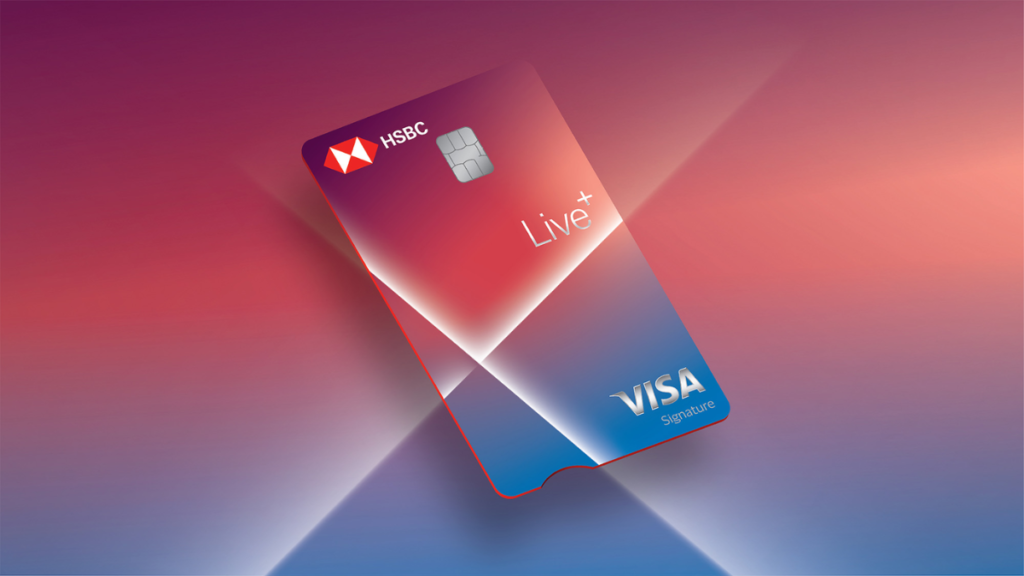
Best Flat Cashback Option
- Cashback: Up to 5% on online shopping
- 1.5% flat cashback on other spends
- Annual fee waived first year
Simple cashback structure makes it attractive for users who want rewards without tracking categories.
Ideal for: Dining and mixed spending.
7. HDFC Diners Club Privilege Credit Card
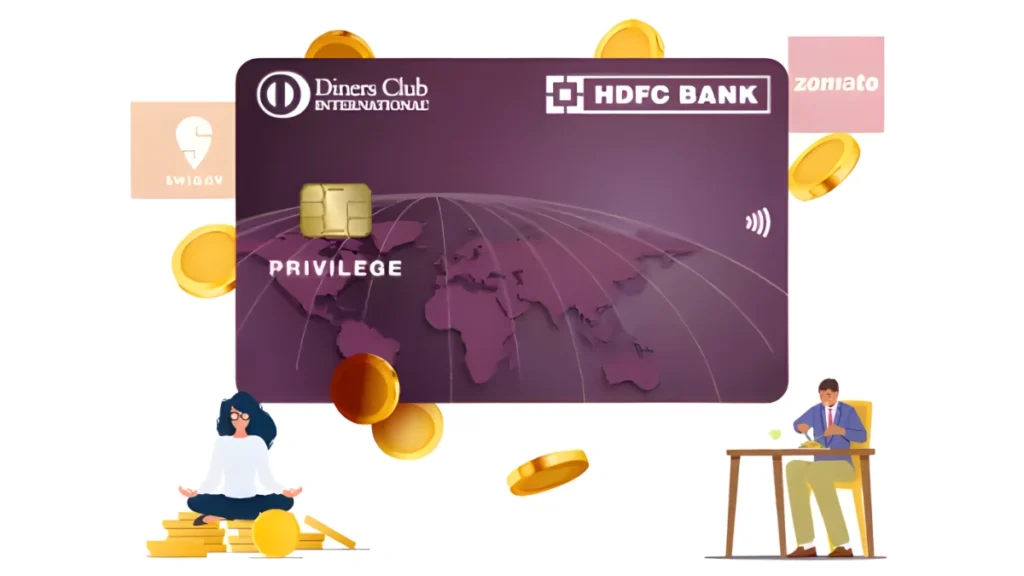
Best Rewards + Travel Benefits
- Rewards equivalent to 2–3% cashback
- Airport lounge access
- Travel and dining privileges
Suitable for professionals who travel frequently and want premium benefits alongside rewards.
Quick Comparison Table
| Credit Card | Cashback | Annual Fee | Best For |
|---|---|---|---|
| HDFC Millennia | Up to 5% | ₹1,000 | Online shopping |
| SBI Cashback | 5% online | ₹999 | Ecommerce users |
| Amazon Pay ICICI | Up to 5% | Free | Amazon users |
| Axis Ace | 5% bills | ₹499 | Utility payments |
| Flipkart Axis | Up to 7.5% | ₹500 | Flipkart shoppers |
| HSBC Cashback | 1.5–5% | ₹999 | General spending |
| HDFC Diners Privilege | Rewards-based | ₹2,500 | Travel & lifestyle |
How to Choose the Right Cashback Credit Card
Before applying, consider these factors:
✔ Spending Pattern
Choose cards matching your highest expenses:
- Online shopping → SBI Cashback / HDFC Millennia
- Bills & recharges → Axis Ace
- Marketplace loyalty → Amazon Pay ICICI
✔ Annual Fees vs Benefits
Ensure cashback earned exceeds yearly fees.
✔ Reward Redemption
Prefer cards offering direct statement cashback instead of complicated point systems.
Expert Tips to Maximize Cashback
- Use different cards for different spending categories
- Pay full bill amount to avoid interest charges
- Track cashback caps and limits
- Combine festive offers with credit card rewards
Many experienced users report that cashback cards outperform reward-point cards for everyday spending patterns.
Advantages of Cashback Credit Cards
- Real savings instead of points confusion
- Easy redemption
- Suitable for beginners
- Works for daily expenses
- Transparent rewards system
Common Mistakes to Avoid
- Ignoring cashback limits
- Paying only minimum due
- Applying for multiple cards together
- Choosing premium cards without matching spending habits
Frequently Asked Questions (FAQs)
Do cashback cards improve credit score?
Yes, if bills are paid on time and utilization remains low.
Which credit card gives the highest cashback in India?
Cards like Flipkart Axis Bank and SBI Cashback offer some of the highest cashback rates depending on spending categories.
Are lifetime free credit cards worth it?
Yes, especially for beginners, as they eliminate annual fee risk.
Conclusion: The best cashback credit card in India for 2026 depends on how you spend your money. SBI Cashback and HDFC Millennia are excellent for online shoppers, Axis Ace works best for bill payments, while Amazon Pay ICICI is ideal for users seeking a lifetime free option. Choosing the right card and using it strategically can help you save thousands every year.
Disclaimer: This article is for informational purposes only and does not constitute financial advice. Credit card features, fees, and rewards may change over time, so readers should verify details with the issuing bank before applying.