
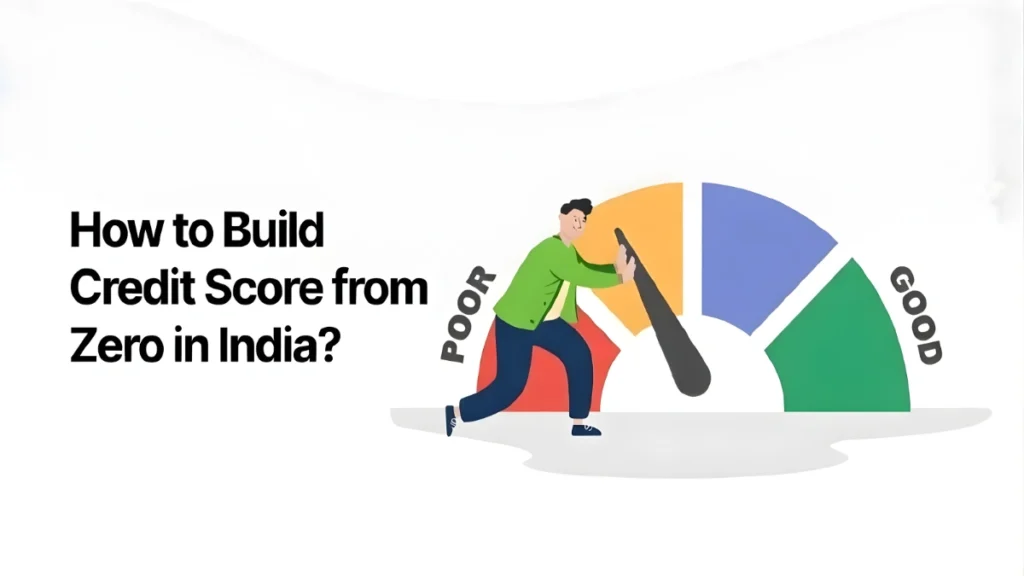
A credit score is one of the most important financial indicators used by banks and lenders in India. It helps determine whether you are eligible for loans, credit cards, and other financial products. If you have never taken a loan or used a credit card before, your credit profile may be classified as “No Credit History” or “NA/NH”.
Building a credit score from zero may take time, but with responsible financial behavior, you can gradually create a strong credit profile. This guide explains how to build a credit score from scratch in India, the best strategies for beginners, and tips to maintain a healthy credit history.
What Is a Credit Score
A credit score is a three-digit number that represents your creditworthiness and repayment behavior. In India, credit scores typically range from 300 to 900.
Higher scores indicate better credit reliability and improve your chances of loan approval.
Typical credit score categories include:
300–549 – Poor credit score
550–649 – Average credit score
650–749 – Good credit score
750–900 – Excellent credit score
A score above 750 usually increases approval chances for loans and credit cards.
Why Credit Score Is Important
A good credit score provides several financial benefits.
Higher loan approval chances
Lower interest rates on loans
Higher credit card limits
Better financial credibility
Lenders rely heavily on credit scores to evaluate borrower risk.
Start with a Secured Credit Card
If you have no credit history, the easiest way to build credit is by using a secured credit card.
A secured credit card is issued against a fixed deposit held by the bank.
Benefits include:
Easy approval for beginners
Helps build credit history
Works like a regular credit card
Using a secured card responsibly can help generate your first credit score.
Pay Credit Card Bills on Time
Payment history is one of the most important factors affecting credit score.
Always pay your credit card bill before the due date.
Late payments may negatively affect your credit profile and delay credit score improvement.
Setting automatic reminders or auto-payments can help avoid missed payments.
Maintain Low Credit Utilization
Credit utilization refers to the percentage of your available credit that you use.
Experts recommend keeping credit utilization below 30 percent of your credit limit.
For example:
If your credit limit is ₹50,000
Try to keep your monthly spending below ₹15,000
Lower credit utilization improves your credit score over time.
Take a Small Personal Loan
Another way to build credit history is by taking a small personal loan or consumer durable loan and repaying it on time.
Examples include:
Smartphone EMI purchases
Small personal loans
Appliance financing
Responsible repayment builds positive credit history.
Avoid Multiple Credit Applications
Applying for too many loans or credit cards within a short period can negatively impact your credit score.
Each loan application creates a hard inquiry on your credit report.
Too many inquiries may signal financial stress to lenders.
Always apply for credit carefully and only when needed.
Keep Old Credit Accounts Active
The length of your credit history also affects your credit score.
Keeping your first credit card active and in good standing helps maintain a longer credit history, which improves creditworthiness.
Avoid closing old credit accounts unless necessary.
Monitor Your Credit Report Regularly
Regularly checking your credit report helps identify errors or fraudulent activity.
Monitoring your credit report allows you to:
Track credit score improvements
Identify incorrect entries
Maintain financial awareness
Correcting errors quickly can protect your credit score.
Maintain a Healthy Credit Mix
Credit mix refers to the types of credit you use.
Examples include:
Credit cards
Personal loans
Consumer durable loans
A balanced mix of credit types shows lenders that you can manage different types of borrowing responsibly.
Advantages of Building a Good Credit Score
Better loan approval chances
Lower interest rates
Higher credit limits
Access to premium financial products
A strong credit score improves your overall financial reputation.
Common Mistakes to Avoid
Missing EMI or credit card payments
Using full credit limit frequently
Applying for multiple loans simultaneously
Ignoring credit report errors
Avoiding these mistakes helps maintain a healthy credit profile.
Frequently Asked Questions (FAQs)
How long does it take to build a credit score from zero?
It usually takes several months of responsible credit usage for a credit score to be generated.
Can I build credit score without a credit card?
Yes, small loans, consumer durable EMIs, and other credit products can also help build credit history.
What is the fastest way to build credit score in India?
Using a secured credit card and paying bills on time is one of the fastest ways to build credit.
Is it possible to get loan without credit score?
Some lenders provide loans based on income and banking behavior even without credit history.
Conclusion: Building a credit score from zero in India requires patience and responsible financial habits. Starting with a secured credit card, maintaining timely payments, keeping low credit utilization, and monitoring your credit report regularly can help create a strong credit profile. Over time, a good credit score will open doors to better loan opportunities, lower interest rates, and improved financial stability.
Disclaimer: This article is for informational purposes only and does not constitute financial advice. Credit score calculation methods and lender eligibility criteria may vary depending on financial institutions and credit bureaus. Always review your credit report carefully before applying for financial products.